AI & Technology
Gemma 4: The 31B Model Outthinking AI 20x Its Size
11 APR2026
10 MINRead
---
Views Sterlites

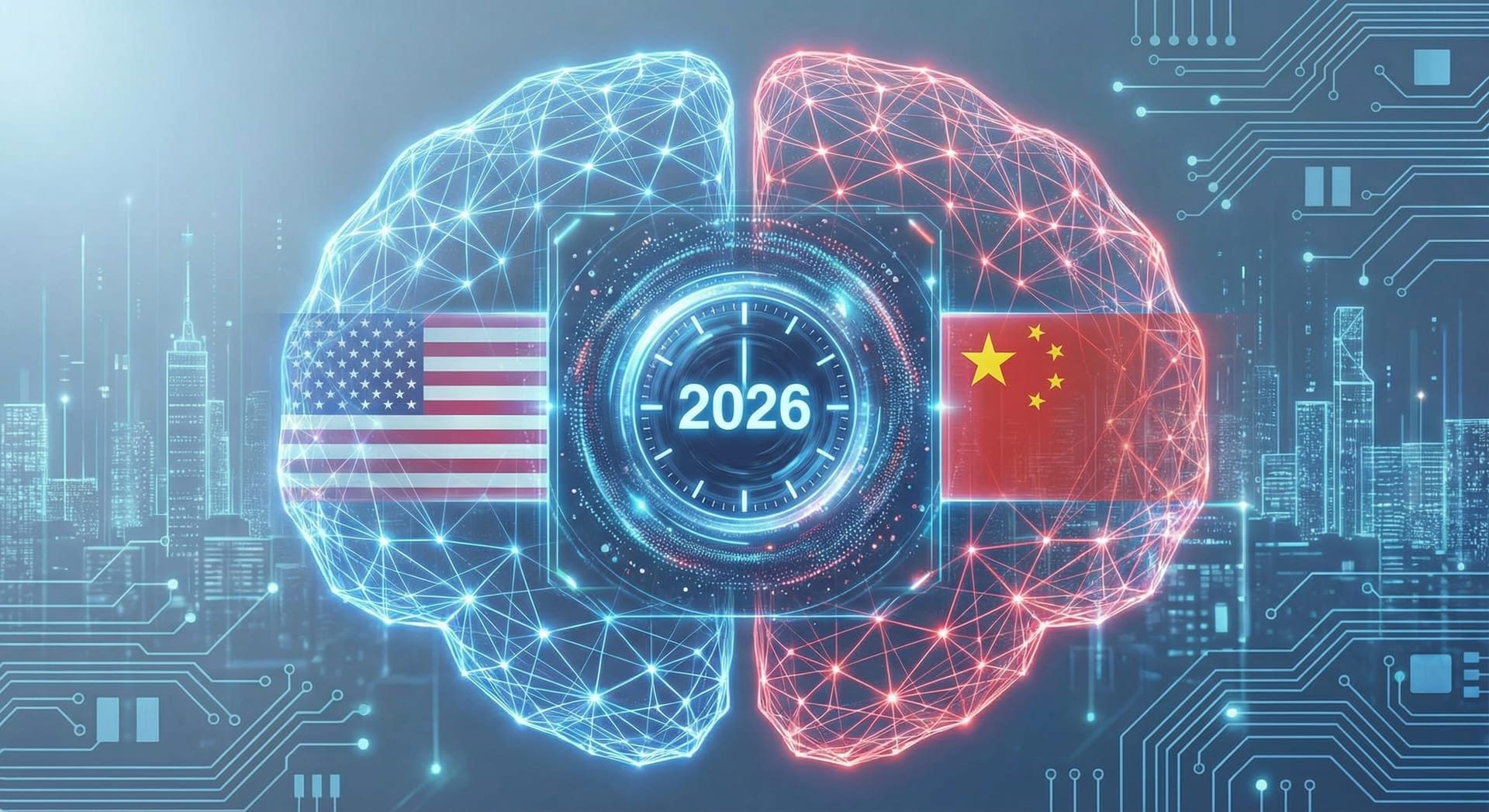
History will mark 2025 not as a year of mere AI progress, but as the year of the great fracture. The artificial intelligence market decisively splintered into three distinct strategic fronts.

On one side, the American Reasoning Giants (OpenAI, Google, and Anthropic) waged a war of pure computational power, pushing the limits of intelligence for high-stakes enterprise applications. In response, an Open-Weight Rebellion, led by Meta and France’s Mistral, championed the democratization of powerful AI, closing the performance gap while offering unprecedented access. Simultaneously, the Efficiency Titans from Asia, including Alibaba and DeepSeek, rewrote the rules of engagement by delivering state-of-the-art performance at a fraction of the cost.
The battle among the major US-based labs defined the proprietary frontier in 2025. Competition shifted decisively toward raw reasoning power and the creation of agentic systems capable of tackling complex professional and enterprise workflows.

King of Code: Claude Opus 4.5 In 2025, Claude Opus 4.5 definitively earned the title “King of Code.” Its state-of-the-art 80.9% score on the SWE-bench Verified benchmark was unmatched.
King of Creative & Professional Work: GPT-5.2 Thinking OpenAI’s GPT-5.2 Thinking established itself as the undisputed “King of Creative Writing and Professional Work,” becoming the first model to perform at or above a human expert level on the GDPval benchmark.
While the proprietary labs battled for supremacy, a powerful counter-movement seized the narrative. In 2025, the open-weight rebellion, led by Meta and Mistral, proved that cutting-edge AI could be both powerful and accessible.

Organizations and developers flocked to open-weight models in 2025 for a clear set of strategic advantages:
In 2025, AI labs from Asia, led by Alibaba and DeepSeek, solidified their position as a new center of gravity. Their strategy was to redefine the market by mastering extreme efficiency.

A fourth front opened on the device itself. The “silent winners” of 2025 were the Small Language Models (SLMs) that brought powerful AI offline and into the hands of millions.
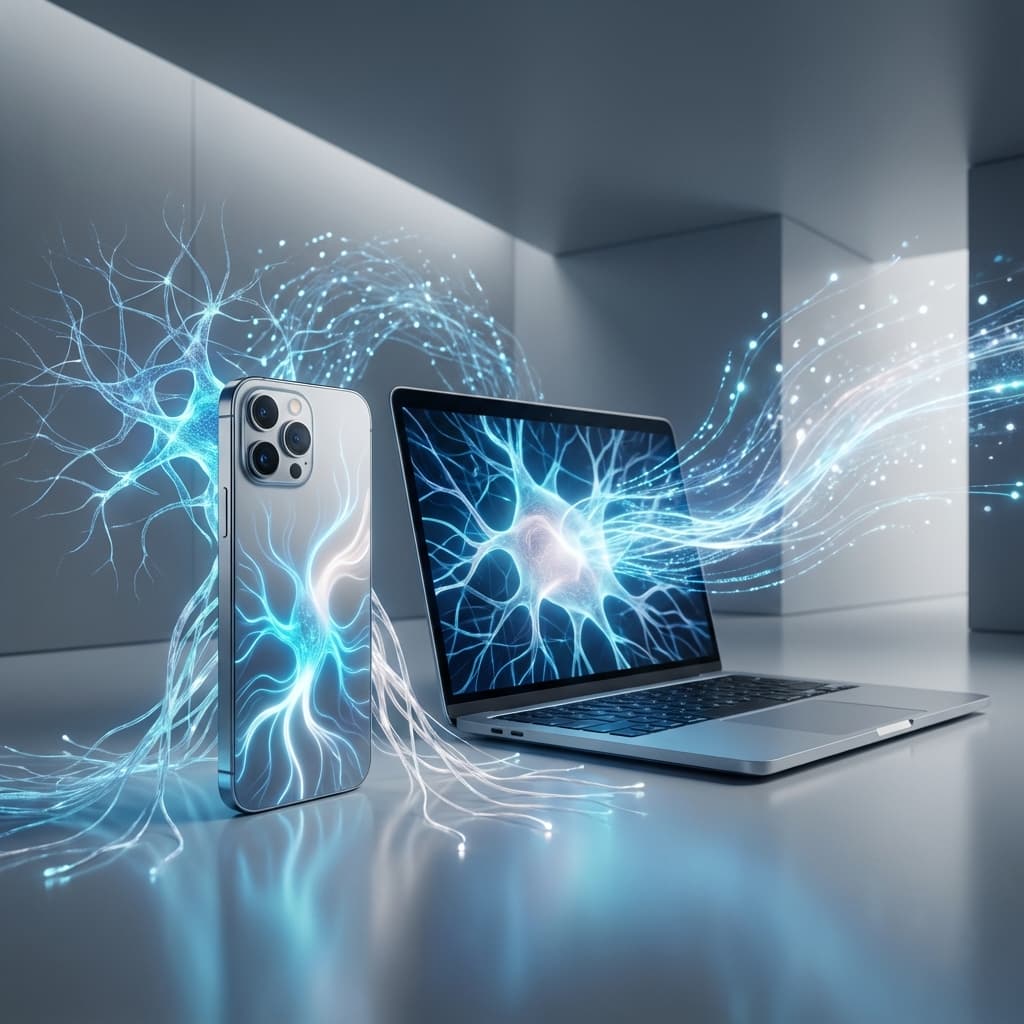
Key releases like Microsoft’s Phi-4 series and Fara-7B (optimized for browser control) demonstrated that high-quality reasoning was possible in compact packages. Concurrently, Google’s Gemma 3 series brought powerful multimodal understanding to on-device applications.
The battles of 2025 were not an endgame but a prelude. The next frontier is not about building marginally larger models; instead, 2026 will be the year of Agent-as-a-Service.
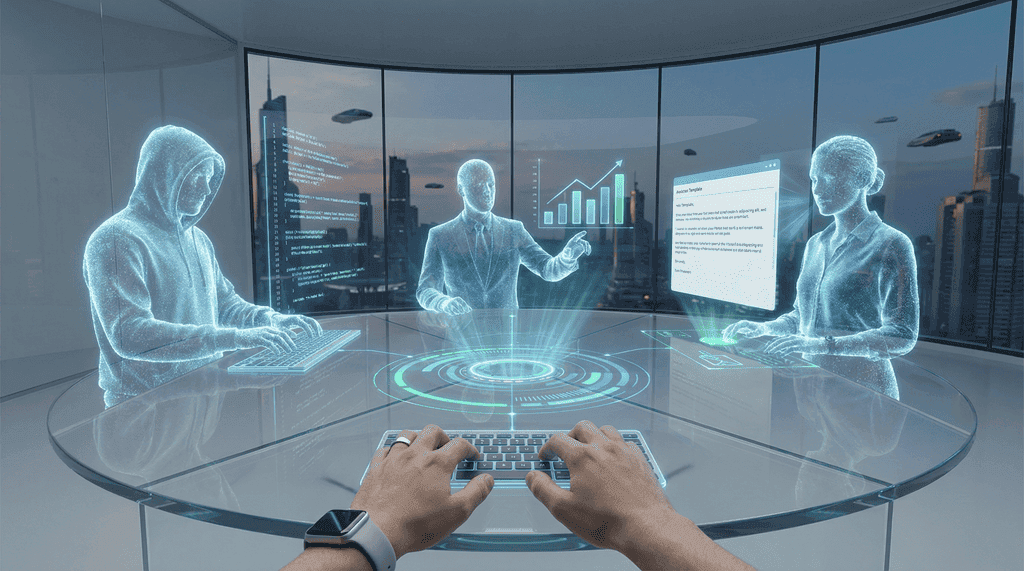
The primary battleground will shift from benchmark supremacy to the orchestration of sophisticated, multi-agent systems that function as “digital coworkers.” We will see businesses move beyond single-task automation to deploying fleets of specialized agents that run entire workflows from start to finish.
Thinking about AI & Technology? Our team has helped 100+ companies turn AI insight into production reality.
Book a highly tactical 30-minute strategy session. We apply the engineering rigor developed with McKinsey, DHL, and Walmart to accelerate AI for startups and enterprises alike. Let's bypass the hype, evaluate your specific use case, and map a concrete path to production.
Establish your authority. Amplify these insights with your professional network.
Hand-picked insights to expand your understanding of the evolving AI landscape.